Uşak Archaeology Museum — The Karun Treasure and Lydian Gold

Uşak Archaeology Museum: Home to the Returned Karun Treasure

The small Aegean town of Uşak is home to one of Turkey’s most dramatic archaeological collections—the Karun Treasure, or the Lydian Treasure. These 363 artifacts belonging to the Lydian nobility of the 7th century BCE were illegally excavated in 1966, smuggled to the United States, and displayed in the Metropolitan Museum’s collection for nearly three decades until an investigation by a Turkish journalist brought them home. Today, the treasure is on display at the Uşak Archaeology Museum—the primary testament to the wealth of King Croesus’s world and the complex fate of archaeological heritage in the 20th century.

History of the Museum

The museum opened on May 23, 1970, and was conceived as a regional center for the preservation of artifacts from Western Anatolia—the territory where the Lydian Kingdom, with its capital at Sardis, once flourished. The collection spans the period from the Bronze Age to Roman times and includes materials from numerous excavations in the province of Uşak and neighboring regions.

The museum owes its fame to the Karun Treasure—a hoard discovered in 1966 by farmers in a burial mound near the village of Güre in the province of Uşak. Artifacts from the burial of a noble Lydian woman were secretly removed and sold to dealers; and a few years later, they ended up in the collection of the Metropolitan Museum of Art in New York. In 1984, Turkish journalist Özgen Acar discovered them in the museum’s catalog and sparked an international scandal. After years of legal proceedings, the collection was returned to Turkey in 1993 and transferred to the Uşak Archaeology Museum.

The Collection and What to See

Karun Hazinesi (Lydian Treasure)

The museum’s main hall is dedicated to the 363 items of the Karun Treasure: gold jewelry, silver vessels, ritual objects, and fragments of woven garments with gold embroidery. These items date to the 7th century BCE, the heyday of the Lydian Kingdom, and come from several burial mounds in the Güre region. In terms of richness and artistic quality, this collection is comparable to the finest examples of ancient jewelry art from Asia Minor.

The Story of the Return

A separate exhibition section tells the story of the theft, the discovery of the collection at the Metropolitan Museum, and the legal proceedings. This is a rare instance where a museum openly addresses the criminal history of its exhibits—while simultaneously offering a lesson on the responsibility of collectors and major museum institutions.

The 2006 Theft and the Hippocampus Brooch

In 2006, it was discovered that two items from the collection—a coin and a gold brooch in the shape of a hippocampus (winged seahorse)—had been replaced with forgeries. The museum director, Kazım Akbıyıkoğlu, confessed to the theft, attributing the crime to gambling debts; he received a 13-year sentence. The brooch was successfully returned to Turkey in November 2012; it was exhibited in Ankara for a time, then returned to Uşak.

Archaeology of the Region: Blaundus and Other Sites

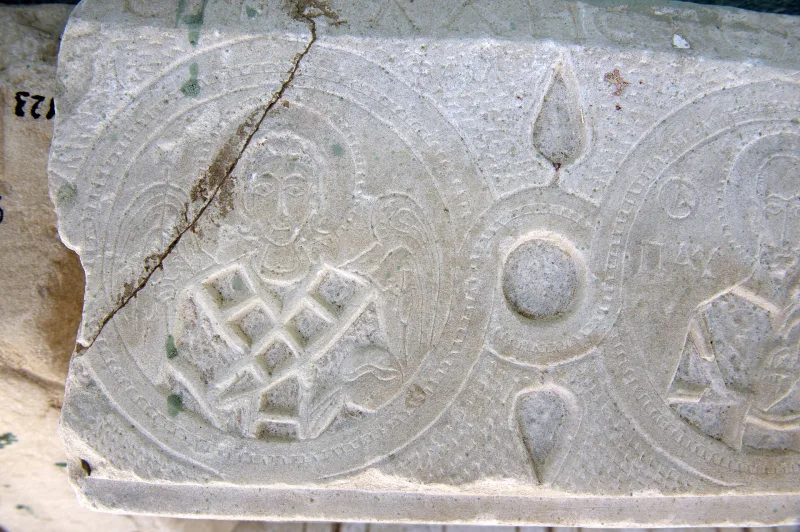
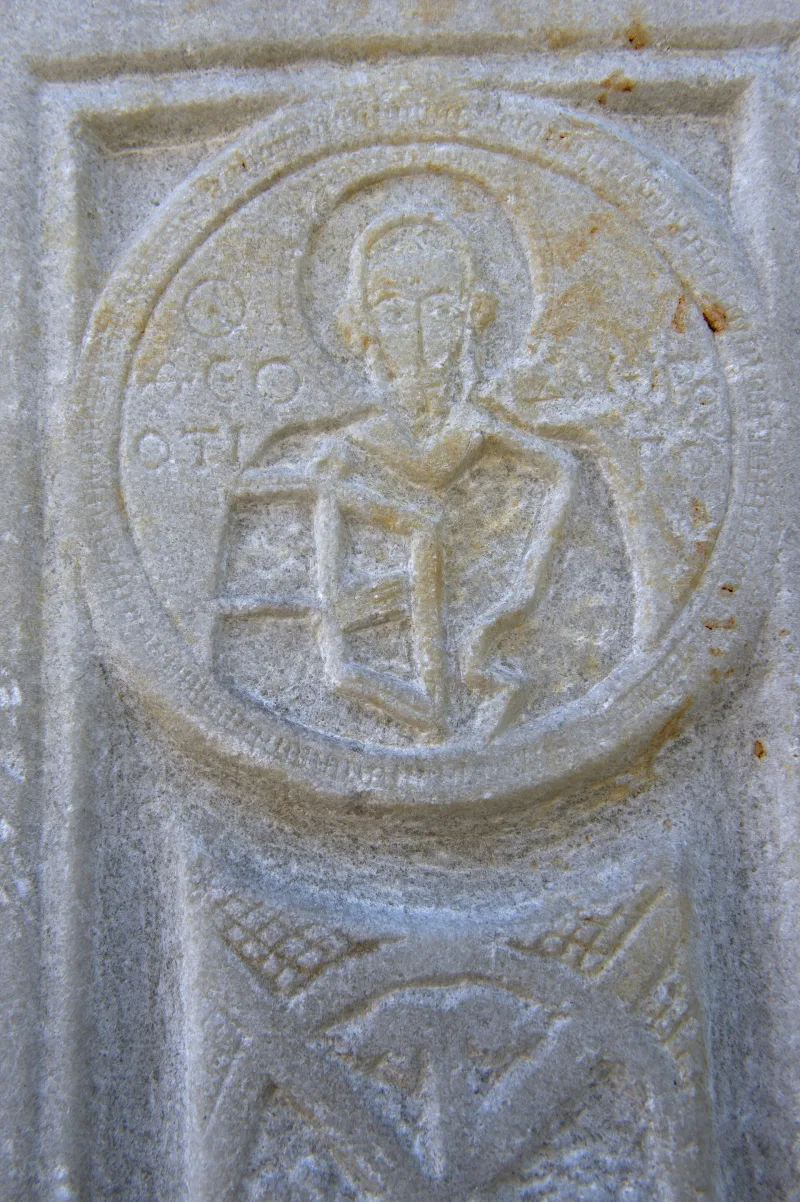
In addition to the Karun Treasure, the museum features sculptures, spouted jugs, stone axes, Hellenistic glassware, Roman tableware, and stelae from the ancient city of Blaundus. This provides an insight into the province’s archaeological diversity, which is significantly broader than the Lydian theme alone.

The Bronze and Iron Ages

The section on prehistoric finds includes stone tools, early bronze artifacts, and pottery. Although they are less spectacular than the Lydian hoard, without these exhibits it is impossible to understand the foundations upon which Lydian civilization grew.

Interesting Facts

  • The Lydian Kingdom, with its capital at Sardis, is considered the birthplace of the world’s first regularly minted coins—gold electrum staters from the 7th century BCE; this is the origin of the expression “rich as Croesus.”
  • The return of the Karun Hazinesi from the Metropolitan Museum in 1993 became one of the first high-profile precedents for the restitution of archaeological treasures—it influenced international rules governing the trade in antiquities.
  • Journalist Özgen Acar, who exposed the treasure’s presence in New York, gained international recognition and became a key figure in the fight against the smuggling of cultural artifacts from Turkey.
  • The theft of the hippocampus brooch in 2006 became one of the most high-profile scandals in the history of Turkish museums and led to a major overhaul of the collection security system.
  • The ancient city of Blaundus is located about 40 km from Uşak; finds from there constitute a separate and less publicized section of the exhibition.

How to get there

The museum is located in the center of Uşak, Uşak Province, in the Aegean region. The nearest airport is Uşak Havalimanı (USQ), but there are few flights from there; it is often more convenient to fly to İzmir (ADB) or Denizli (DNZ) and travel by bus or train. A direct bus from İzmir takes about 4–5 hours, and from Denizli, about 2 hours.

In Uşak itself, it takes 10 minutes by taxi or city bus from the bus station to the city center. The museum is located within walking distance of the city’s main street. GPS coordinates: 38.6742° N, 29.4034° E.

Tips for travelers

Allow about two hours to explore the Karun Treasure and the accompanying exhibits. The main hall deserves a careful look: each item tells a unique story, and the label texts provide detailed explanations of the context of the finds and the circumstances surrounding the collection’s return.

It’s convenient to combine your visit with a trip to Sardis (about 100 km west of Uşak)—the capital of the Lydian Kingdom, where many of the region’s archaeological artifacts originate. Also worth visiting are the ancient city of Blaundus and the thermal springs of Hierapolis in Pamukkale, located in the neighboring province.

Photography of gold objects is usually restricted; check the rules on site. It’s best to check prices and hours in advance—the museum isn’t very large, and its operating hours sometimes change. For anyone interested not only in archaeology but also in the fate of cultural artifacts in the 20th century, the Uşak Archaeology Museum offers a rare blend of antiquity and modern drama.
Your comfort is important to us, click on the desired marker to create a route.
Meeting for minutes before
Yesterday. 17:48
Frequently asked questions — Uşak Archaeology Museum — The Karun Treasure and Lydian Gold Answers to frequently asked questions about Uşak Archaeology Museum — The Karun Treasure and Lydian Gold. Information about the service's operation, capabilities, and use.
The Karun Treasure, or Lydian Treasure, consists of 363 objects from the tombs of the Lydian nobility dating to the 7th century BCE: gold jewelry, silver vessels, ritual objects, and fragments of fabric with gold embroidery. The treasure was discovered in 1966 near the village of Güre in the province of Uşak, illegally exported to the United States, and held in the collection of the Metropolitan Museum of Art in New York for nearly three decades. Following legal proceedings in 1993, the items were returned to Turkey. In terms of artistic quality, the collection is comparable to the finest examples of jewelry art from ancient Asia Minor.
In 1966, villagers discovered artifacts in a burial mound and secretly sold them to dealers. A few years later, the artifacts found their way into the collection of the Metropolitan Museum of Art. In 1984, Turkish journalist Özgen Acar discovered them in the museum’s catalog and sparked an international scandal. After years of legal proceedings, the collection was returned to Turkey in 1993. This became one of the first high-profile precedents for the restitution of archaeological treasures and influenced international rules governing the trade in antiquities.
In 2006, it was discovered that two items from the collection—a coin and a gold brooch shaped like a hippocampus (a winged seahorse)—had been replaced with forgeries. The museum director, Kazım Akbıyıkoğlu, confessed to the theft, attributing the crime to gambling debts; he was sentenced to 13 years in prison. The brooch was successfully returned to Turkey in November 2012. This scandal became one of the most high-profile in the history of Turkish museums and led to a major overhaul of collection security systems.
Yes. The museum features a wide-ranging regional collection: sculptures, jugs, stone axes, Hellenistic glassware, Roman pottery, and stelae from the ancient city of Blaundus. There is also a section of prehistoric finds—stone tools, early bronze artifacts, and pottery from the Bronze and Iron Ages. A separate exhibition section is dedicated to the story of the theft and return of a treasure—a rare instance in which a museum openly discusses the criminal history of its exhibits.
Blaundus is an ancient city located about 40 km from Uşak. Finds from its excavations form a separate, lesser-known section of the exhibition: sculptures, stelae, and pottery from the Hellenistic and Roman periods. For those interested in more than just Lydian themes, this is a valuable addition that showcases the archaeological diversity of the entire province.
This is the prevailing view in historical scholarship. The Lydian Kingdom, with its capital at Sardis, is recognized as the birthplace of the world’s first regularly minted coins—the gold electrum staters of the 7th century BCE. This is the origin of the expression “rich as Croesus”—named after Croesus, the last Lydian king, whose fabulous wealth became a byword. The Uşak Archaeology Museum houses artifacts from that very era.
Photography of the gold artifacts in the Karun Hazinesi collection is generally restricted. Rules are subject to change, so it is recommended that you check with staff at the entrance. In the other galleries, restrictions are generally less strict, but it is best to check with the staff on site.
The best time to visit is spring (April–May) and fall (September–October). During these seasons, the weather is pleasant for exploring the region, there are fewer tourists, and the roads in Uşak and the surrounding area are clear. It can get hot in the summer, which is important to keep in mind if you plan to combine a visit to the museum with a tour of the open-air archaeological sites—Sardis or Blaundus.
In 1984, Özgen Acar—a Turkish journalist specializing in investigations into the smuggling of cultural artifacts—discovered items from the Karun Treasure in the official catalog of the Metropolitan Museum of Art. He publicly revealed the collection’s illicit origins and sparked an international scandal, which led to legal proceedings. Acar gained international recognition and became one of the key figures in the fight against the removal of cultural artifacts from Turkey.
The main distinction lies in the presence of the Karun Treasure and a unique exhibition section detailing the history of the theft, the legal proceedings, and the restitution. This approach—where a museum openly recounts the criminal history of its exhibits—is extremely rare. The combination of an outstanding ancient collection and the documented history of its return makes the museum interesting not only for archaeology enthusiasts but also for those who follow issues of cultural heritage and international law.
Recommended destinations: Sardis (about 100 km west of Uşak)—the capital of the Lydian Kingdom, where much of the region’s archaeological material originates; the ancient city of Blaundus (about 40 km from Uşak); and the thermal resort of Hierapolis in Pamukkale, in the neighboring province of Denizli. The trip can be organized as a mini-tour of Western Anatolia with base points in İzmir or Denizli.
User manual — Uşak Archaeology Museum — The Karun Treasure and Lydian Gold Uşak Archaeology Museum — The Karun Treasure and Lydian Gold User Guide with a description of the main functions, features, and principles of use.
The nearest airport is Uşak Airport (USQ), but there are few regular flights there. It’s more convenient to fly to İzmir (ADB) or Denizli (DNZ): a direct bus from İzmir to Uşak takes about 4–5 hours, and from Denizli—about 2 hours. Check the bus schedule in advance—several buses depart daily from the bus stations in both cities.
It takes about 10 minutes by taxi or city bus to get from the central bus station in Uşak to the city center. The Uşak Archaeology Museum is located within walking distance of the city’s main street. GPS coordinates: 38.6742° N, 29.4034° E—you can enter these into any navigation app. The museum is small and easy to find.
Before your visit, we recommend checking the current opening hours and ticket prices: the museum is small, and its hours of operation sometimes change. It’s also a good idea to check the photography rules in advance—photography of gold artifacts from the Karun Treasure is usually restricted or prohibited. You can confirm this information by phone or on the provincial culture office’s website.
The main hall housing the Lydian hoard calls for a careful, unhurried examination. Each of the 363 items—gold jewelry, silver vessels, and ritual objects—is accompanied by detailed descriptions of the context of the discovery and the circumstances surrounding the collection’s return. We recommend reading the labels: they significantly enrich your experience of the exhibits. You should set aside at least 45–60 minutes for this hall.
A separate section of the museum is dedicated to how the artifacts were illegally removed, discovered at the Metropolitan Museum of Art by journalist Özgen Acar, and returned in 1993, as well as to the scandal surrounding the theft of the hippocampus brooch in 2006. This section is unique among Turkish museums and is of particular interest to those who follow issues of cultural heritage and international law.
After visiting the main hall, be sure to explore the other sections: ancient artifacts from Blaundus—sculptures, stelae, and pottery; Hellenistic glassware and Roman artifacts; and the prehistoric section featuring stone tools and early bronze objects. These exhibits provide an overview of the province’s archaeological diversity spanning several millennia. On average, it takes about 90 minutes to see the entire museum.
If time permits, Uşak serves as a convenient base for exploring Western Anatolia. The ancient city of Blaundus is 40 km away, and Sardis, the capital of the Lydian Kingdom, lies 100 km to the west. Pamukkale, with the thermal springs of Hierapolis, is located in the neighboring province of Denizli. You can plan a 2–3-day itinerary covering several key attractions in the region.